What is GNDVI imagery?
Phillip Majernik
7/25/20251 min read
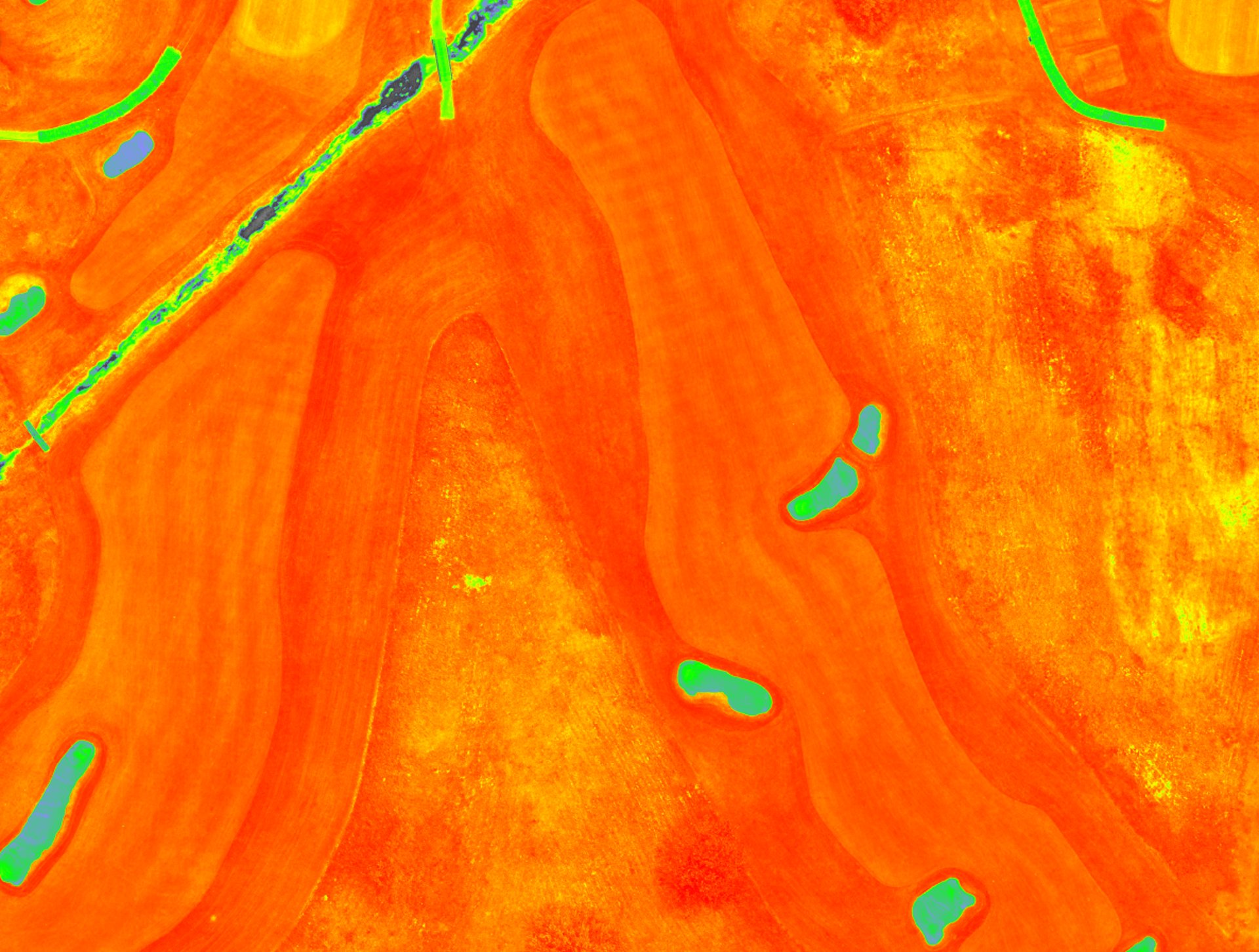
The Green Normalized Difference Vegetation Index (GNDVI)
The Green Normalized Difference Vegetation Index (GNDVI) is a vegetation index that measures photosynthetic activity by analyzing the reflectance of green and near-infrared (NIR) light from vegetation. It's particularly useful for monitoring plant health, water content, and nitrogen uptake.
Understanding GNDVI
Formula:
(NIR - Green) / (NIR + Green)
Compared to the more commonly known NDVI (which uses the red band), GNDVI utilizes the green band, making it more sensitive to chlorophyll concentration and effective in later stages of crop development or in areas with dense vegetation canopies. By incorporating moisture readings from handheld devices like Time Domain Reflectometers (TDRs) using the GPS coordinates from the map, you can enhance the data accuracy and provide better insights for agricultural management.
Utilizing GNDVI Data
Integrating GNDVI measurements into your regular monitoring practices can lead to more informed decisions about irrigation and fertilization. This approach not only supports plant health but also optimizes resource use.
Final Thoughts on GNDVI
As we move forward in precision agriculture, the GNDVI presents an innovative tool for farmers and agronomists to monitor crop vitality and enhance productivity. By leveraging this index, you can achieve a deeper understanding of plant dynamics and growth patterns, ultimately leading to improved yields and sustainability.